Fancy Chicken Tumbler Embroidery Review
First Impressions of Fancy Chicken Tumbler
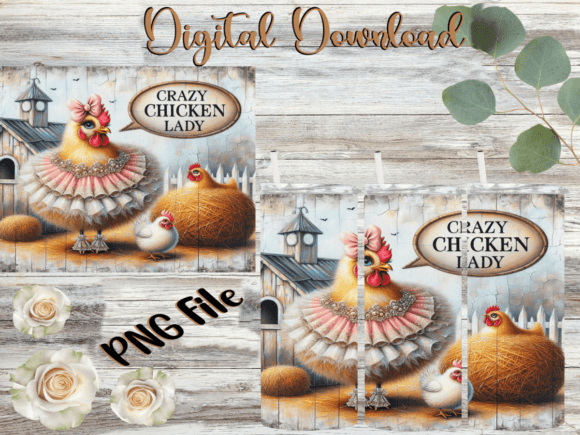
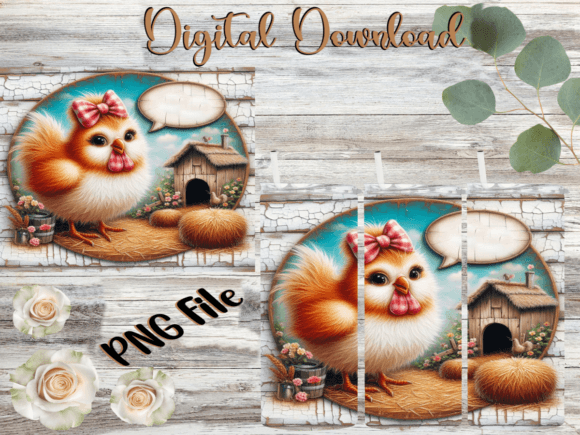
When I first opened the Fancy Chicken Tumbler digital file, it was clear that this design is meant for a playful and whimsical project. The layout feels cheerful with its bold lines and expressive chicken character. It's not overly detailed, which makes it feel approachable but still charming enough to stand out on a variety of fabrics.
The theme is perfect for a custom tote bag or even a baby onesie. The visual personality of the chicken gives off a sense of fun and lightheartedness, which can be great for holiday gifts or personalized items aimed at younger audiences. However, I noticed that the design doesn't have intricate details, so it might not work well on very small hoop sizes or highly textured surfaces.
How Fancy Chicken Tumbler Performs in Real Projects
For a custom apparel project like a sweatshirt or t-shirt, the Fancy Chicken Tumbler should stitch up nicely with a decent amount of detail. I imagine it would look great as a embroidered patch on a denim jacket or as part of a tote bag design. The use of satin stitch around the chicken's outline could add a nice touch of professionalism while keeping the overall look friendly.
If you're thinking about using it for baby embroidery, the design's simplicity and soft aesthetic make it ideal for onesies or bibs. But if you're aiming for something more commercial, like small shop product branding, it might need a bit more refinement or additional elements to match a boutique's style.
As a digital embroidery file, it’s straightforward and easy to adapt. You can scale it to fit your needs, but remember to check how resizing affects the clarity of the chicken’s features. This is especially important if you plan to use it on dark fabric or textured fabrics, where the contrast between thread colors and fabric becomes more critical.
Where to Use Fancy Chicken Tumbler with Caution
While the Fancy Chicken Tumbler has a lot of potential, there are certain scenarios where it might not shine as brightly. For instance, if you're working with small hoop sizes, the design may lose some of its visual impact. Similarly, curved surfaces like caps or hats might distort the chicken’s shape unless you adjust the design carefully.
Another thing to consider is stitch density. If the design is used on thin fabric or stretchy fabric, it might not hold up well without proper stabilizer. Also, the lack of intricate detailing means that it may not be suitable for projects requiring high precision, such as tiny lettering or dense stitch areas.
Lastly, when planning to sell finished products or digital versions, always confirm the licensing terms before proceeding. As mentioned in the product description, this is a JPEG digital file only, and it's not an SVG cut file, so it's best to double-check compatibility with your machine and software.
Design Notes for Embroidery Professionals
Before jumping into a full project, I recommend testing the Fancy Chicken Tumbler on scrap fabric first. This allows you to see how the thread colors interact with different fabric textures and to ensure the stabilizer you choose is appropriate for the material you're working with.
Also, review the stitch density to avoid overcrowding the design, especially if you're planning to layer it with other elements. A good way to test the design is by creating a black and white mockup to see how the outlines and shapes will appear under various lighting conditions.
Finally, don’t forget to compare the design on both light and dark backgrounds to determine the best thread color combinations. This step is crucial for maintaining the visual appeal of the finished product and ensuring customer satisfaction.
Final Thoughts on Fancy Chicken Tumbler
The Fancy Chicken Tumbler is a versatile and fun design that can bring a smile to anyone who sees it. Whether you're making a personalized gift, designing for a craft business, or creating a small shop product, this design has the potential to add a unique touch to your work.
However, it’s important to keep in mind the limitations and best practices when using it in real-life embroidery situations. By taking the time to test, adjust, and understand the design, you can ensure that your embroidery project turns out beautifully and meets the expectations of your customers.